Omega · Authentication
Constellation: real vs fake
The Omega Constellation is recognized by the "claws" on the case flanks (on the Manhattan and later generations, from 1982) and its precision heritage – earlier models carried a pie-pan dial with a star and an observatory medallion on the caseback. Replicas trip on the claw execution, the dial star and the medallion engraving. Verify the case, dial and caseback with LegitCheck AI.
What to check on the Constellation
Model-specific zones – on top of the brand-level signs.
The "claws" (griffes) on the case
The claws (griffes) are a feature of the Constellation Manhattan and later generations (from 1982). The pie-pan Constellations of the 1950s–70s have none: there you check the observatory medallion on the caseback, the star and the applied markers. Missing claws on a vintage piece are correct. Where claws do belong they are cleanly integrated into the case, symmetric and identically shaped, with clean polishing; crude, asymmetric or sloppily seated claws are a replica tell.
The dial star
A Constellation dial traditionally carries a small star (usually above 6). It is applied, straight and crisp. A painted, crooked or missing star where one should be is a replica tell.
Observatory medallion on the caseback
The observatory-and-stars medallion belongs on solid Constellation casebacks; references with a sapphire display back have none, so check the caseback type against the reference. Where the medallion is present the engraving/embossing is crisp, with even lines and correct proportions. A blurred, flat or distorted medallion is typical of copies.
Applied markers & printing
The hour markers and Omega logo are metal, applied and straight; the text is printed sharply. Painted markers, blurred text or a misaligned logo give a fake away.
Date window & bracelet
The date (where fitted) sits centered in the genuine font; the bracelet links are even and aligned, with an Omega-engraved (not stamped) clasp whose halves meet flush with no visible gap. A stamped logo, a visible gap in the clasp, and a crooked date are red flags.
Where to inspect
The key zones to photograph and check on this type of item – a schematic, not a product photo.
- 1Dial and printing
- 2Bezel and markings
- 3Crown
- 4Bracelet and links
- 5Serial and engraving
The difference is in the details – drag the slider
Typical differences in workmanship: stitching consistency, edge finishing, detail quality. Left – factory quality, right – common replica flaws.
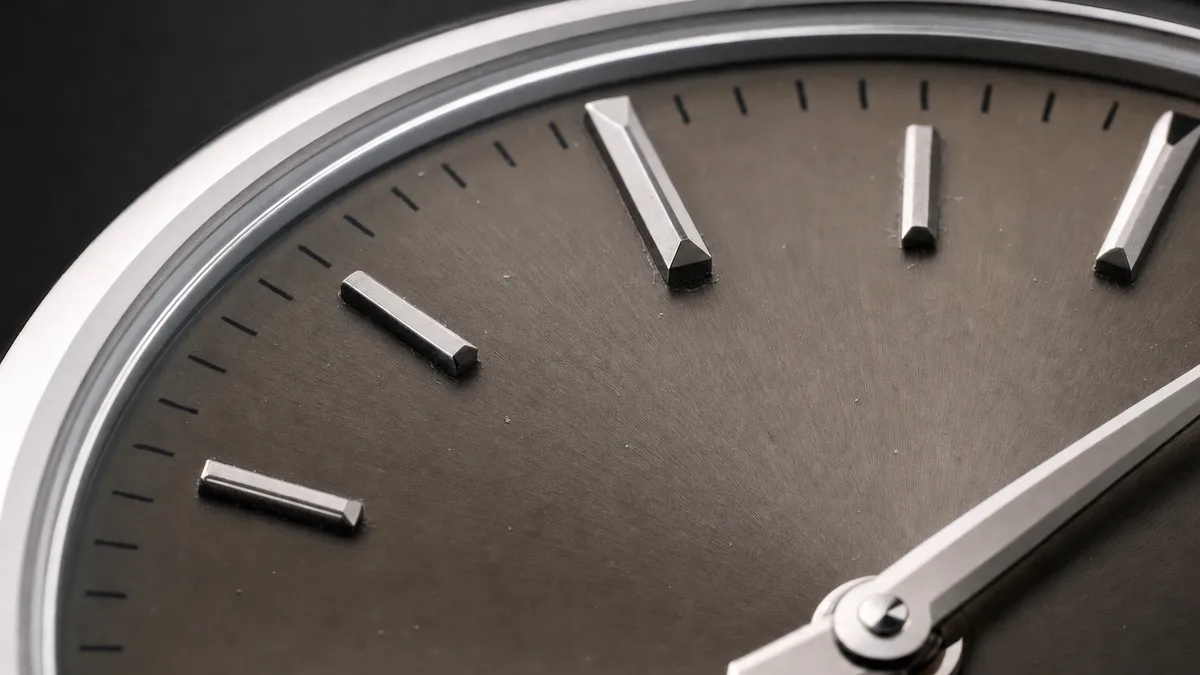 Replica
 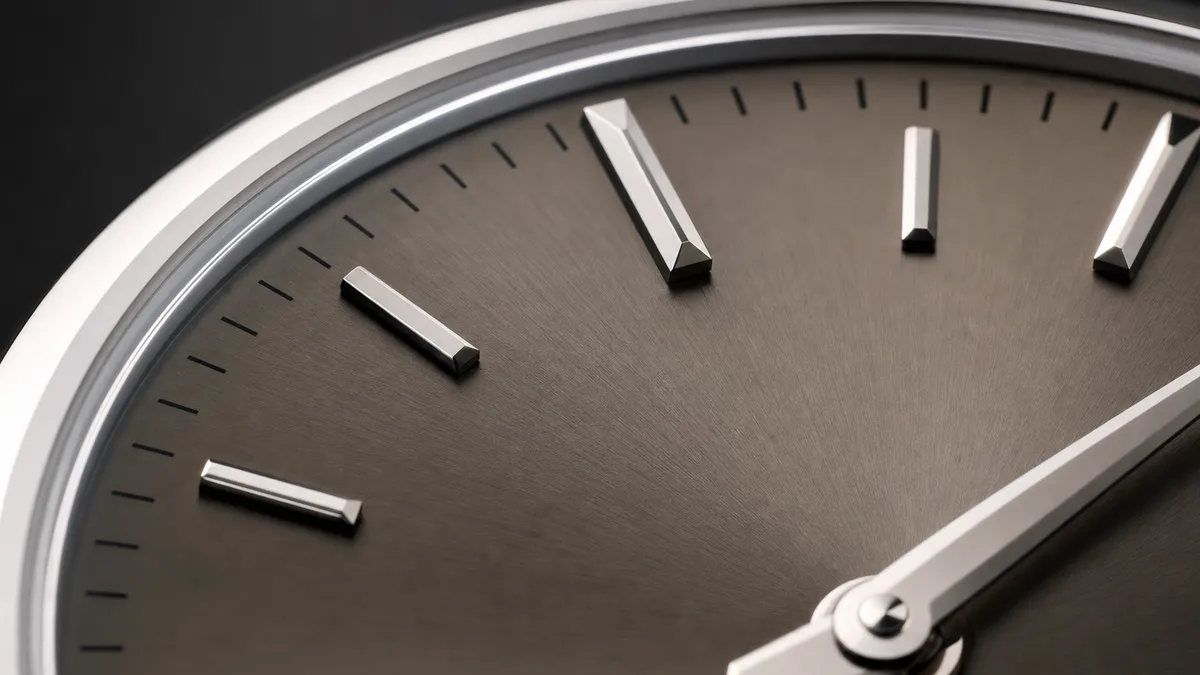 Authentic
 Photo angles for the check
- 1 Dial
- 2 Caseback
- 3 Crown
- 4 Bracelet
- 5 Serial number
Check your Constellation right now
Snap photos of your item and get an AI verdict with a confidence score in about a minute.
FAQ
What are the "claws" on the sides of a Constellation case?
They are the signature griffes at 3 and 9 o’clock that secure the crystal and bezel. They arrived with the Constellation Manhattan in 1982, so the pie-pan Constellations of the 1950s–70s have no claws – that is correct, not a replica tell. Where claws do belong they are symmetric, cleanly integrated and neatly polished; crude or asymmetric ones are a replica tell.
Where is the star on a Constellation?
A small applied star is traditionally placed on the dial (often above 6). Its absence where it should be, or a painted crooked version, is a warning sign.
What is on the caseback?
On solid casebacks, an observatory-and-stars medallion – the symbol of Constellation precision; versions with a sapphire display back have no medallion. Where it belongs, the engraving should be crisp and proportional; a blurred or distorted medallion is typical of fakes.
More Omega models
Other luxury watches brands
Check another brand in this category: