Omega · Authentication
Seamaster Planet Ocean: real vs fake
The Seamaster Planet Ocean is a large professional diver with orange accents (the ceramic bezel insert arrived with the generations from 2011; earlier ones are aluminum), and fakes most often fail on bezel execution, the helium valve and the lume. On a genuine watch the insert engraving is crisp and the orange is even and saturated. Verify the bezel, valve and dial with LegitCheck AI.
What to check on the Seamaster Planet Ocean
Model-specific zones – on top of the brand-level signs.
Bezel and its markings
The ceramic insert belongs on Planet Oceans from 2011 (transitional models from 2009). On the first generation, 2005–2011, the insert is anodized aluminum – that is correct, not a replica. Judge font sharpness and color durability for your own generation: the markings and numerals are applied evenly with crisp edges, and the orange/colored accents are saturated without bleeding at the outline. Replicas use a crooked font and faded color.
Helium escape valve at 10 o’clock
A helium escape valve at 10 o’clock is a feature of some Seamaster divers (Diver 300M, Planet Ocean generations 1–3). The Seamaster 300 (heritage) and the latest-generation Planet Ocean have no valve by design, so its absence proves nothing on its own – check the reference. The red flag is a cosmetic valve on a dress model, or a tilted, decorative one where a valve does belong.
Lume coating
Lume on the markers, hands and bezel pip is applied densely in an even layer and glows brightly for a long time. Patchy fill, mismatched tone or a weak glow is typical of fakes.
Dial & printing
The "Seamaster", "PLANET OCEAN", "Co-Axial" and depth text is printed sharply, the markers are applied and straight, and the Omega logo is undistorted. Painted or misaligned text gives a replica away.
Caseback & movement
Solid casebacks carry Omega’s Seahorse with crisp engraving; sapphire-window versions have no seahorse, so judge the finishing of the visible movement instead. A crude movement under sapphire, or a flat seahorse on a solid back, is a warning sign.
Where to inspect
The key zones to photograph and check on this type of item – a schematic, not a product photo.
- 1Dial and printing
- 2Bezel and markings
- 3Crown
- 4Bracelet and links
- 5Serial and engraving
The difference is in the details – drag the slider
Typical differences in workmanship: stitching consistency, edge finishing, detail quality. Left – factory quality, right – common replica flaws.
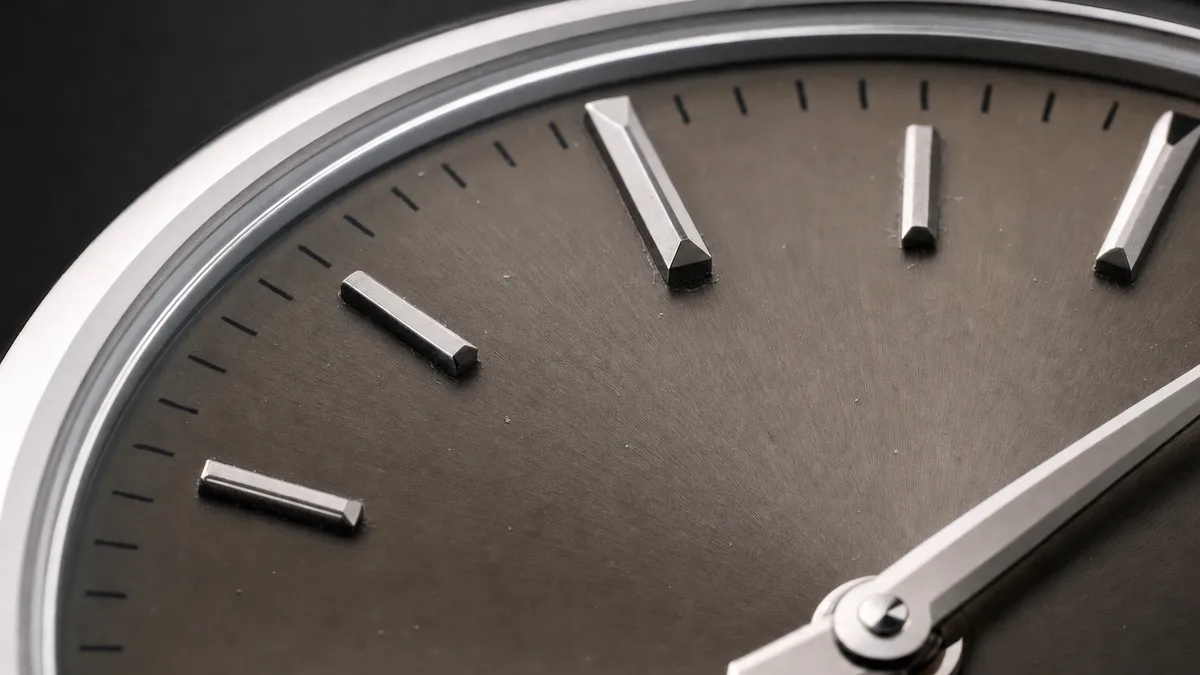 Replica
 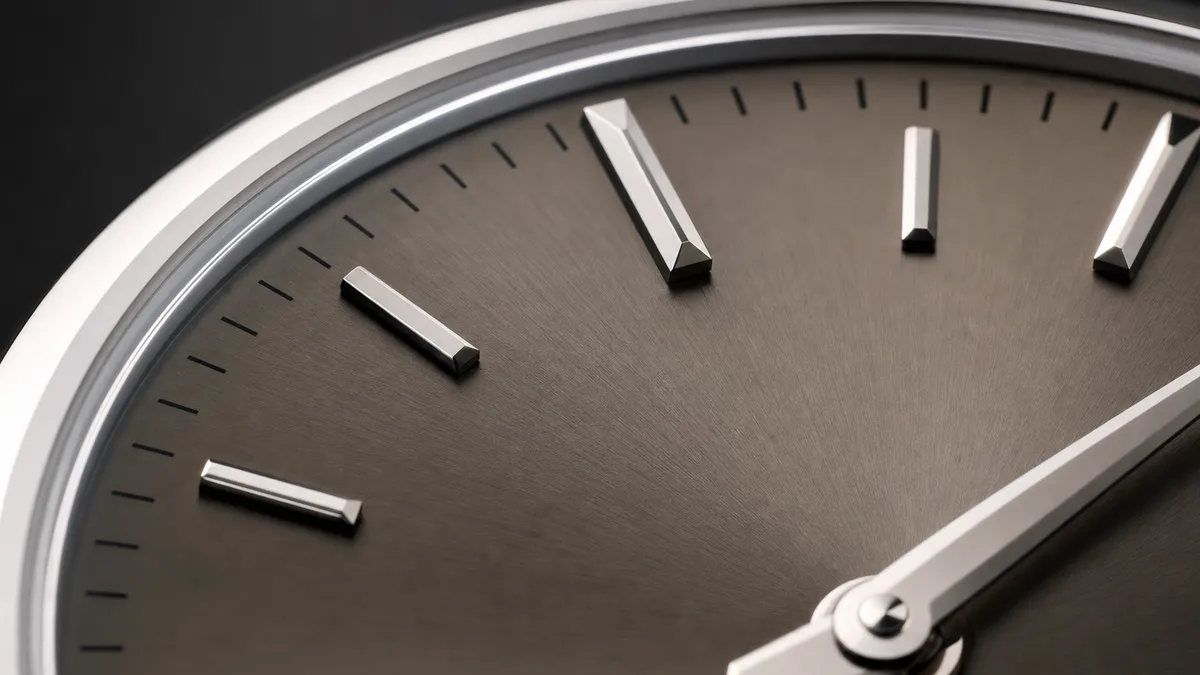 Authentic
 Photo angles for the check
- 1 Dial
- 2 Caseback
- 3 Crown
- 4 Bracelet
- 5 Serial number
Check your Seamaster Planet Ocean right now
Snap photos of your item and get an AI verdict with a confidence score in about a minute.
FAQ
What is a genuine Planet Ocean bezel made of?
From 2011 (transitional models from 2009) – a ceramic insert with crisp, durable markings and saturated colored accents. The first generation, 2005–2011, uses an anodized aluminum insert, and that is correct. The replica tell is not the material itself but faded color, a crooked font and blurred marking edges.
Does the Planet Ocean have a helium escape valve?
Generations 1–3 do, on the case side at 10 o’clock. Omega dropped the valve on the latest generation, so its absence is not evidence – check the reference. Do judge the integration: a tilted or dummy valve is still a reason to doubt authenticity.
How do I check the lume and bezel from photos?
Shoot the dial and bezel in both normal and low light to judge the evenness and brightness of the glow, then upload to LegitCheck AI to compare against genuine traits.
More Omega models
Other luxury watches brands
Check another brand in this category: